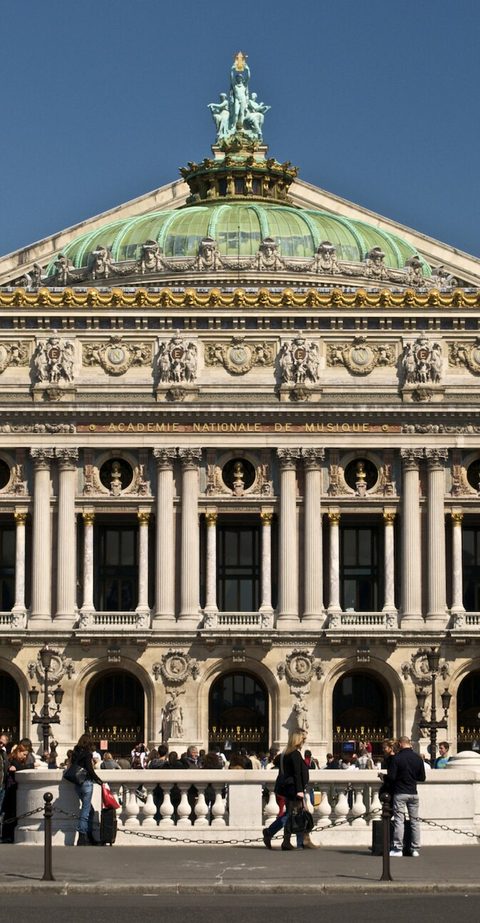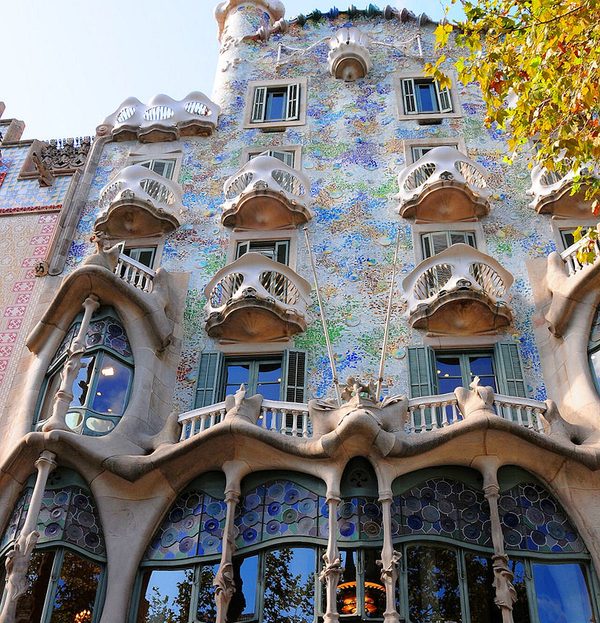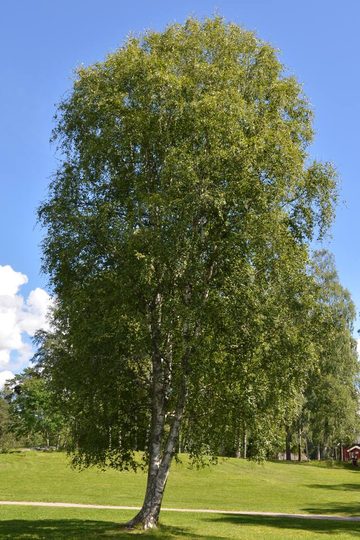
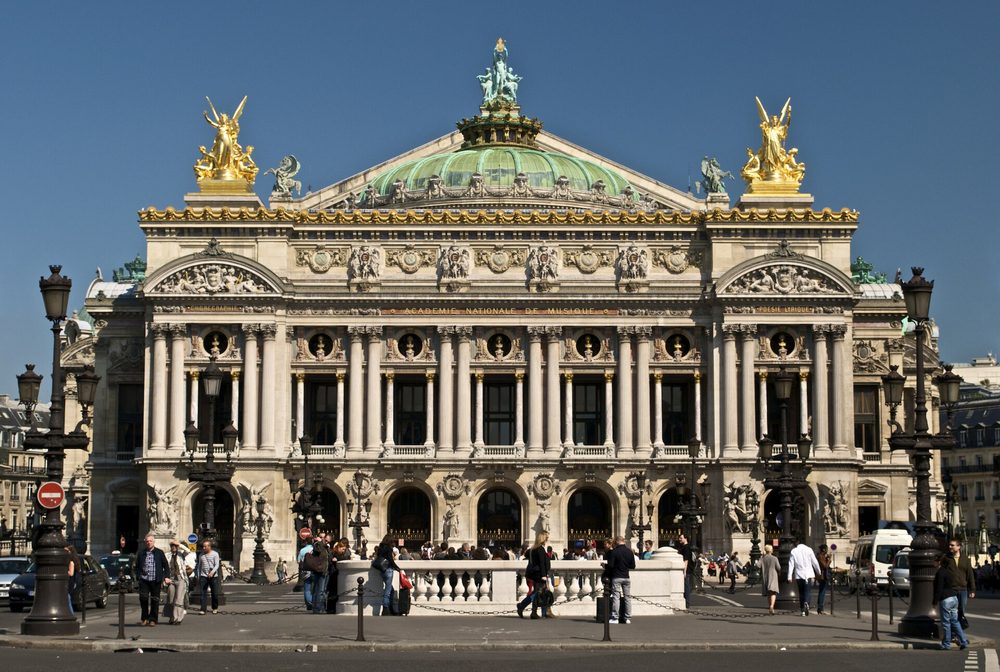
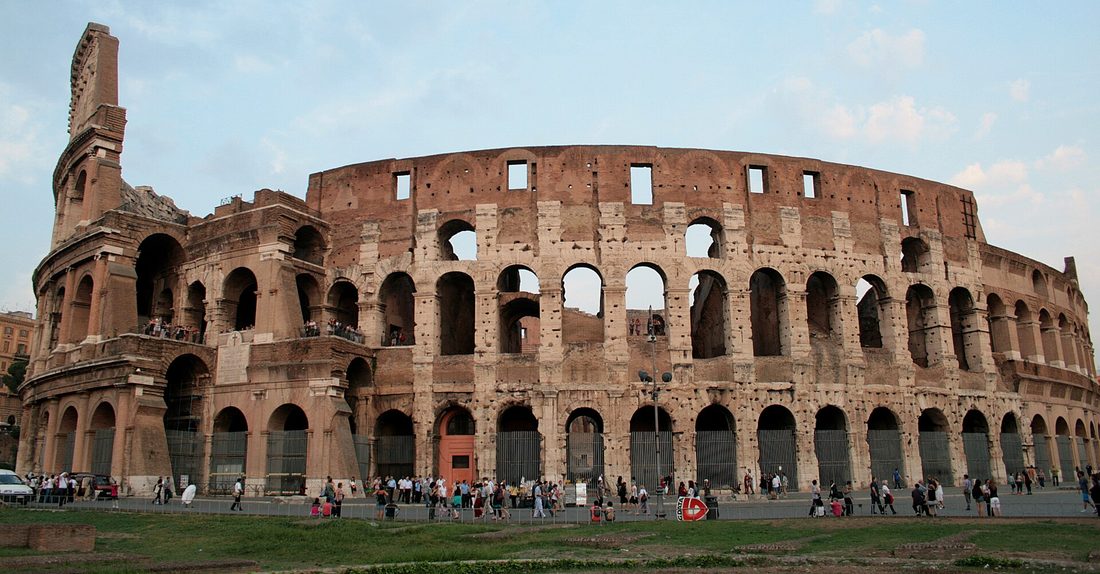
Walk your city. Point your camera at a building, a tree, a flower — and it tells you what it is and what its story is. Every find becomes part of your collection.
One evening photo of the Brandenburg Gate — and its story. Try it with any photo of yours.
Commissioned by Frederick William II and finished in 1791, the gate was Carl Gotthard Langhans's homage to the Propylaea — the marble entrance to the Athenian Acropolis — and it taught Berlin to dream of itself as Athens on the Spree. Two years later Johann Gottfried Schadow set the Quadriga on top: Victory driving her four horses into the city.
Napoleon liked the goddess so much he carted her off to Paris in 1806; she came home in 1814 with an Iron Cross added to her staff. For twenty-eight years the gate stood stranded in the death strip beside the Berlin Wall — until the November night in 1989 when Berliners climbed the Wall beneath her and danced.
Flâneur helps you see them — and keep them.
One photo — and Flâneur names the plant species or the architectural style in seconds. Botanist-grade plant recognition, an architect's eye for façades.
Famous buildings come with true stories — checked against Wikipedia and OpenStreetMap, never invented. The palace, the theatre, the scandal: all verified.
Every find drops a pin where you found it. Watch your own map of the city grow, walk after walk.
A palazzo in Rome, a maple in the park, a castle in Osaka — everything you catch is saved with its photo, its story and its place on the map. Sign in once and your collection follows you to any device.
No feed, no likes, no ads. Just you and the city.
Open Flâneur on your phone and tap Scan — photograph whatever catches your eye
Save the find — it joins your collection and pins itself to your map
Like it? Add Flâneur to your home screen and it lives there like a real app